

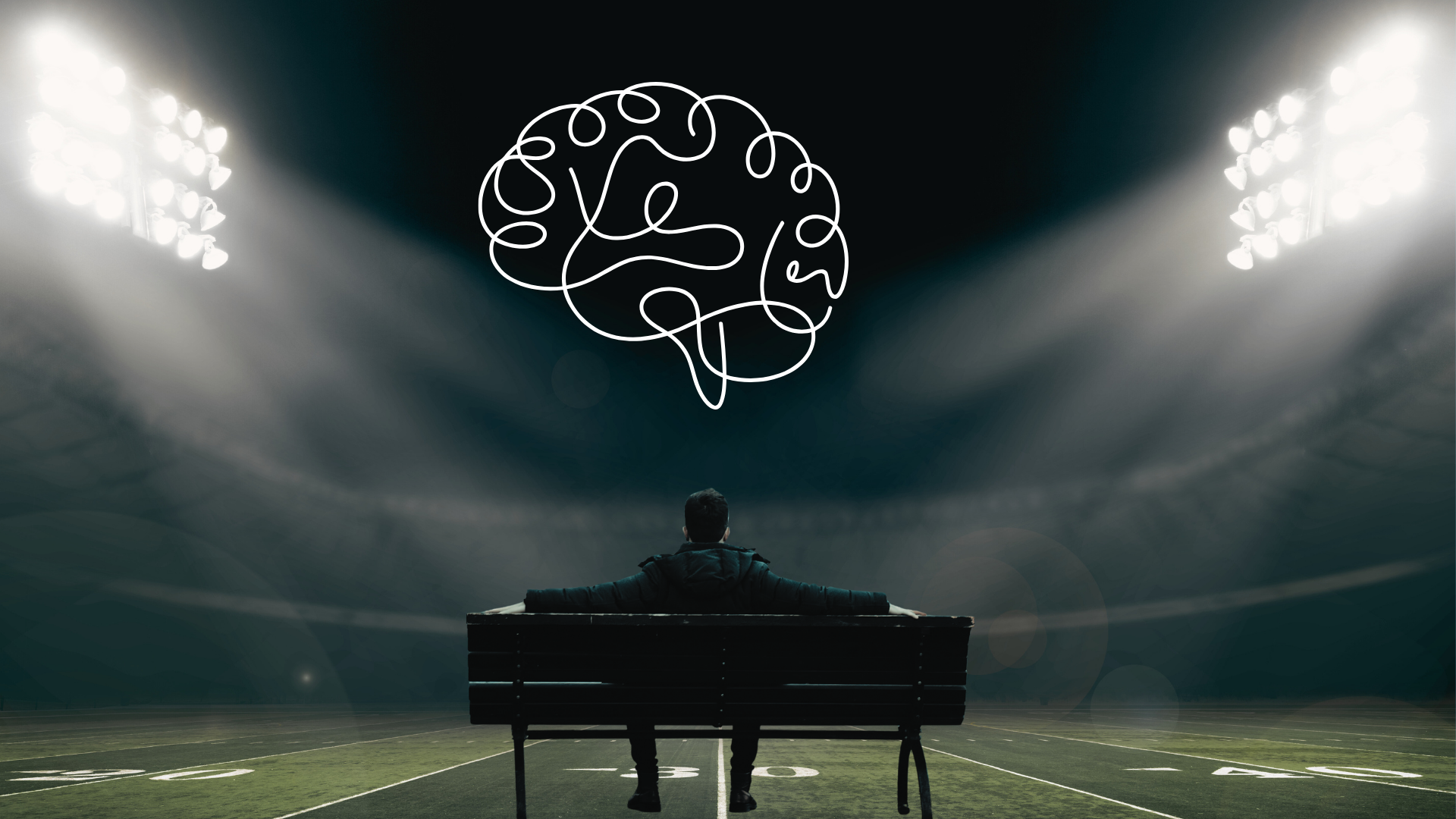
When most people think of a concussion, they imagine a headache, a little time off from school and everything returning to normal afterwards, allowing them to resume their daily life just like before. I used to think that too. After all, I’ve been surrounded by sports my whole life and injuries are a common occurrence. Getting hit was just part of the deal. What I didn’t know was that some hits you can never fully recover from.
At 17 years old, I’ve had twelve concussions.
Each one was described by my doctors as “manageable.” They would tell me, “You just need to rest, hydrate, limit screen time and return when the symptoms pass.”
The problem is that concussions don’t just go away like bruises do, instead they compound. Over time, the recovery period becomes increasingly longer, the symptoms persist and eventually the question shifts from “When can I play again?” to “Can I play again?”
That is the question that changed the projection of my life.
Sports were more than just after-school activities for me. They were my identity, my future and my outlet. Like many young athletes, I believed that my hard work would open doors to new opportunities in college, or even in professional competition. Over time, repeated concussions quietly rewrote that future without asking for my permission.
The hardest part wasn’t the physical pain, it was the realization that I had reached my limit.
I remember telling coaches I couldn’t continue and crying, not out of weakness, but because everything I had built my life around was ending. I had to quit football and wrestling. I tried to continue playing lacrosse three different times, but each attempt ended the same way: with another concussion, another setback and another reminder that my brain couldn’t handle more damage.
Losing the ability to play sports was like losing a purpose I’d been focused on my whole life. Without the competition and scheduled practices and game days, I struggled to understand who I was as a person. The mental health effects became more noticeable when I realized what I had lost.
Concussions don’t merely affect memory and balance. They can also heavily impact one’s mood and identity. I began experiencing a surge in anxiety without warning. There were moments of intense dread when my thoughts spiraled out of control and I experienced depression and anger that didn’t always have a clear root. These struggles were difficult to explain, especially because the injuries were invisible.
Because I looked alright on the outside, many people assumed I was fine. Inside, I wasn’t. Concentration became harder. Emotions felt stronger. Stress felt heavier. I still question whether my reactions are normal or the result of my lasting brain injuries.
For a long time, I approached these struggles the same way I approached injuries in sports. I ignored them and pushed through, but it was time to I realize that mindset may work in competition, but it doesn’t work when it comes to brain injuries.
Today, I am still adjusting. I cannot play contact sports. I have to protect my brain in ways most people my age do not consider. That reality is difficult, but it’s also given me a different perspective on life.
My experience is not unique; many athletes are taught to minimize the risk of concussions and to prioritize their strength. The problem is, they rarely discuss the long-term consequences. Concussions don’t always end when symptoms fade. Sometimes, they follow athletes into adulthood and negatively affect their mental health.
If there was one lesson I could pass on from my experience, it would be that protecting the brain matters more than protecting a season or a reputation. Sometimes the bravest decision an athlete can make is not to take another hit, but rather to walk away.


