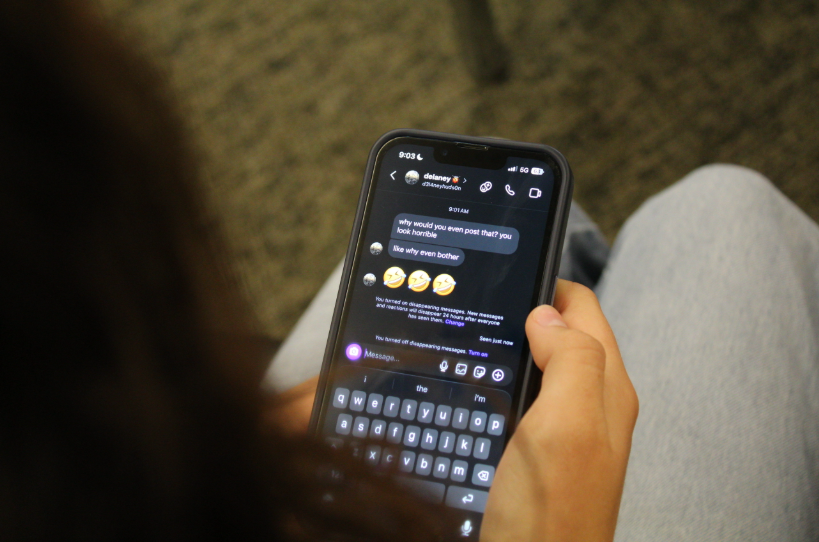
When a teenager opens their phone after school, they see a dozen stories, posts and comments within seconds. Unfollowing a person or purposely not tagging a friend in a post can easily cause a friendship to fall out. For many teens, this kind of online drama is a constant part of their lives. Social media has made it easier to stay connected, but it’s also been known to turn minor misunderstandings into full-blown conflicts that can cause real damage to friendships.
It’s no secret that many teens find it easier to talk to people online rather than face-to-face. Social media can make it easier for people to interact with their peers, see what’s going on in the world and even learn new things. Kids who have their own phones are actually less likely to report depression and anxiety and more likely to hang out with their friends in person. Despite the disputes it may cause, social media also has its perks.
Unfortunately, the same platforms that bring people together can also tear them apart. Social media can make it easier for rumors to spread and harder for friendships to be restored. A single post can turn into a chain of screenshots, comments and quick conclusions. It’s much easier for people to say things online, especially things they wouldn’t usually say in person. However, people should keep in mind that once something is on the internet, it’s there forever.
Huntington Beach High School (HBHS) freshman, Lily Cheek, said, “I feel like I’ve seen a lot of drama from social media because people just post what they think and don’t think about how it affects other people.”
Many people post things without considering how their words might make others feel. If more teens paused before posting, maybe fewer people would end up getting hurt or feeling left out.
“I feel like through social media you don’t have to see the people [when] you’re fighting with them, so when [you see each other] in person, you [already] said whatever you wanted to say, and it just makes it worse,” Cheek said.
Once drama starts online, it doesn’t usually stay there, and even after posts are deleted, they’re never fully erased from the internet, or people’s minds. Social media leaves a trail, which is why it’s important to think about what you’re posting or commenting. Everyone has a digital footprint that reflects their behavior online and something that seems funny or harmless now might hurt your reputation in the future. Every post, comment and share adds to it, so it’s useful to leave behind things that represent the best version of yourself.
Another HBHS freshman, Andy Mai said, “Social media is just a way for someone to show the perfect side of their life without showing everything that’s actually wrong.”
“I personally think it’s weird how people air out all their drama on social media instead of dealing with it offline,” Mai said.
Sophomore HBHS student, Vivyenne Berg, said, “No matter what you do—if you’re doing something stupid, or like you’re doing something confident—people will always hate on you just because they feel like you have more power than them or they are just jealous of you.”
That’s the reality: social media gives everyone a voice, but most times people use it to tear others down instead of lift them up. It can make teens feel left out, jealous or even like they aren’t good enough. The pressure to appear perfect or have the “right” kind of life online can significantly impact one’s confidence.
Social media is supposed to make us feel connected, but often leaves us feeling separated. The drama doesn’t end when the phone is off, which is why avoiding online drama can save teens a lot of stress.
Before posting, commenting, or sharing something, think about how it may come across. What you put online lasts way longer than you think, and sometimes it can say more about you than you realize.